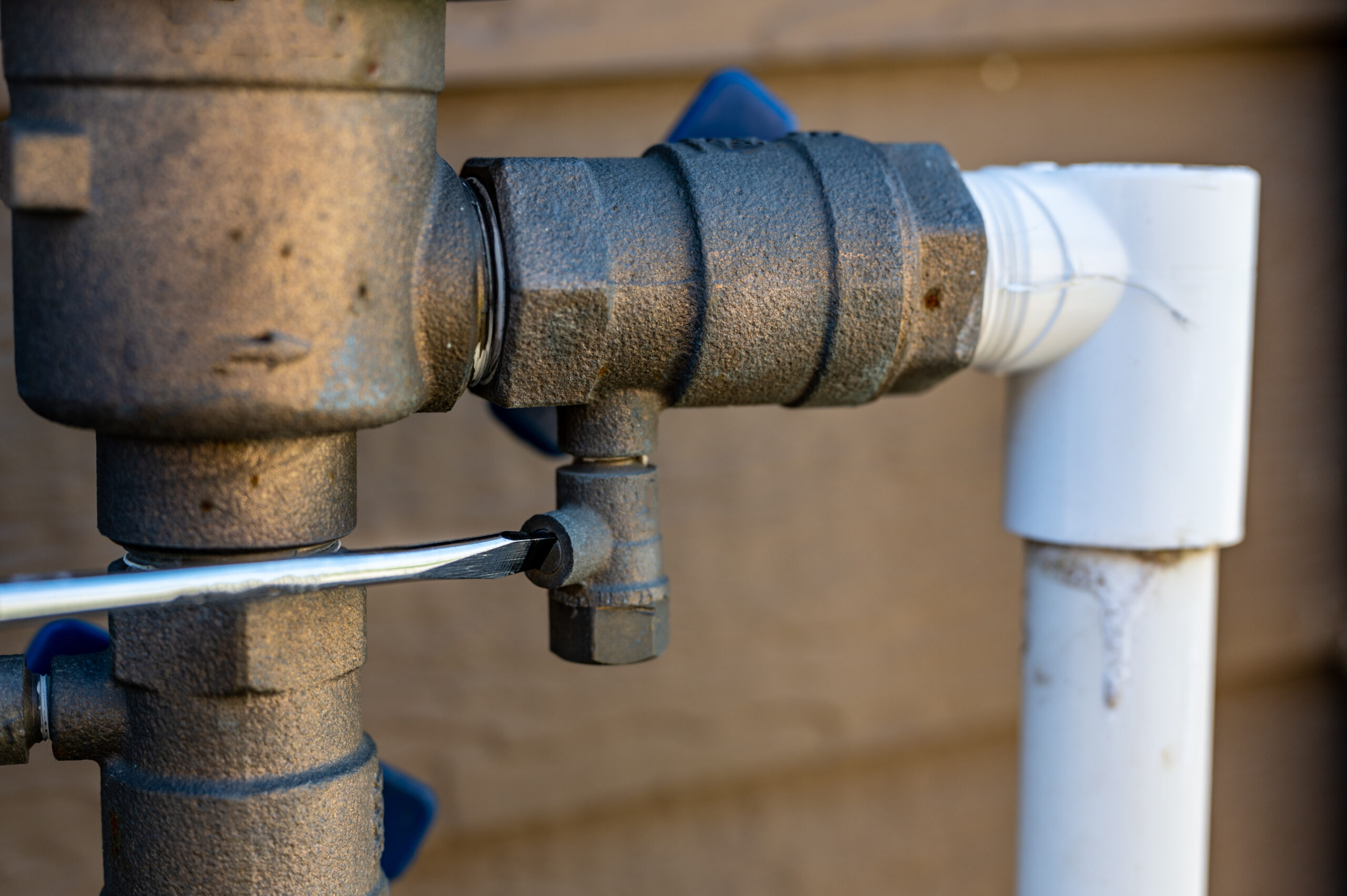
Control valves are the critical components that direct water flow to different irrigation zones. Our valve services include installation, repair, and replacement that keeps your irrigation system operating reliably and efficiently.
The Role of Irrigation Valves
Control valves act as gates that open and close to deliver water to specific zones in your irrigation system. When the controller signals a zone to operate, the corresponding valve opens, allowing water to flow to that zone’s sprinkler heads. When the zone cycle completes, the valve closes, stopping flow.
Proper valve operation is essential for efficient irrigation. Valves that don’t open completely reduce pressure to heads, causing poor coverage. Valves that don’t close fully waste water continuously and can damage landscapes through constant moisture. Valves that fail to operate at all prevent entire zones from receiving water.
Quality valves with proper installation provide decades of reliable service with minimal maintenance. Poor valves or installation methods lead to frequent failures, ongoing frustration, and wasted water.
Valve Components and Function
Understanding valve components helps explain common problems:
Solenoid – The electromagnetic component that opens the valve when energized by the controller. Solenoids can fail due to electrical issues, lightning strikes, or wear. Failed solenoids are common causes of non-functioning zones.
Diaphragm – A rubber disc that controls water flow. When the solenoid activates, the diaphragm shifts position, opening the valve. Torn or worn diaphragms cause leaking or failure to open. Diaphragm replacement is one of the most common valve repairs.
Bonnet – The top section of the valve that contains the solenoid and diaphragm. Bonnets can be removed for service without digging up the entire valve.
Flow Control – Adjustable screw that regulates flow rate through the valve. This allows fine-tuning of zone pressure and can help balance systems with varying needs.
Bleed Port – Small opening that equalizes pressure to allow the valve to open and close. Clogged bleed ports prevent proper operation and may require cleaning.
Common Valve Problems
Several issues commonly affect irrigation valves:
Zone Won’t Turn On – Often caused by failed solenoids, broken wires, or controller problems. We diagnose the issue and replace failed components. Sometimes simply cleaning connections restores operation.
Zone Won’t Turn Off – Stuck valves continue running, wasting water and potentially damaging landscapes. Debris caught in the valve, worn diaphragms, or damaged bonnets cause this problem. Usually requires valve repair or replacement.
Weak Pressure in Zone – Valves that don’t open fully restrict flow. Partially clogged valves, damaged flow controls, or worn diaphragms cause reduced pressure. This results in poor head coverage and uneven watering.
Leaking Around Valve – Worn seals or damaged valve bodies allow water to leak externally. This wastes water and creates muddy conditions around valve boxes. Depending on severity, may require new seals or complete valve replacement.
Zone Runs at Wrong Time – Usually indicates controller programming issues rather than valve problems, but cross-wired valves can cause zones to activate together. We diagnose electrical and programming issues comprehensively.
Valve Repair vs. Replacement
When valves fail, we determine whether repair or replacement makes more sense:
Repairable Issues – Solenoid failures, worn diaphragms, and damaged bonnets can often be replaced economically. For valves less than 10 years old, repair typically makes sense if the valve body remains sound.
Replacement Indicators – Cracked valve bodies, severely corroded components, or repeated failures suggest replacement is more cost-effective. Very old valves (15+ years) often develop multiple issues that make replacement smarter than continued repairs.
Modern valves incorporate improved designs that require less maintenance. When replacing old valves, we install commercial-grade units with better seals, more durable diaphragms, and improved solenoid designs.
Valve Location and Access
Valves are typically grouped in boxes for protection and access. Valve box location affects serviceability:
Proper Depth – Boxes should be flush with grade for easy access without creating trip hazards. Over time, settling may require box adjustment.
Size – Boxes must be large enough for comfortable access to all valves and wiring. Cramped valve boxes make service difficult and increase the chances of damage during repairs.
Drainage – Valve boxes in low areas fill with water. We ensure boxes drain adequately or install in better locations when possible. Standing water in valve boxes promotes corrosion and can freeze in winter.
Accessibility – Valves should be accessible without excavating large areas or removing landscape features. We mark valve locations clearly and maintain records of their positions.
When installing new valves or repairing existing ones, we ensure proper depth, adequate box size, and appropriate placement for long-term serviceability.
Wiring and Electrical Connections
Valve solenoids connect to controllers via low-voltage wiring, typically 24VAC. Wiring problems are common causes of valve failures:
Wire Damage – Digging, root growth, or rodent chewing can break wires. We locate breaks using specialized equipment and make proper repairs with waterproof connections.
Corrosion – Wire connections in valve boxes corrode from moisture exposure. We use waterproof wire connectors designed for irrigation applications and apply dielectric grease for additional protection.
Lightning Damage – Florida’s frequent lightning can damage solenoids, wiring, and controllers. Surge protection on controllers helps, but direct strikes may require multiple component replacement.
Proper Connection Methods – We use professional waterproof connectors rather than inferior wire nuts or tape that fail in wet conditions. Quality connections prevent ongoing problems.
Valve Maintenance
While valves are generally reliable, periodic maintenance extends life and prevents problems:
Annual Inspection – Checking solenoids, examining diaphragms, and testing operation catches issues before they cause failures. This is typically done during spring system startup.
Cleaning – Removing debris from valve boxes and cleaning bleed ports maintains proper operation. Accumulated dirt can interfere with valve function.
Exercising Valves – Running all zones monthly prevents valves from seizing and helps identify problems early. Manual valve operation during inspection verifies mechanical function independent of electrical systems.
Wire Connection Check – Inspecting and tightening wire connections prevents corrosion-related failures.
We offer maintenance programs that include valve inspection and service along with overall system checks.
Adding or Relocating Valves
Landscape changes sometimes require new irrigation zones or valve relocation:
New Zones – As landscapes mature or designs change, additional zones may be needed for proper coverage. We can add valves and zones to existing systems when controller capacity permits.
Valve Relocation – Sometimes valves are poorly positioned, making service difficult. We can relocate valves to better locations with proper access while minimizing disruption.
Zoning Improvements – Older systems often have zones that are too large or mix incompatible plantings. Adding valves to create smaller, more targeted zones improves efficiency and plant health.
Keep your irrigation system operating reliably with professional valve services that ensure proper function and easy maintenance access.