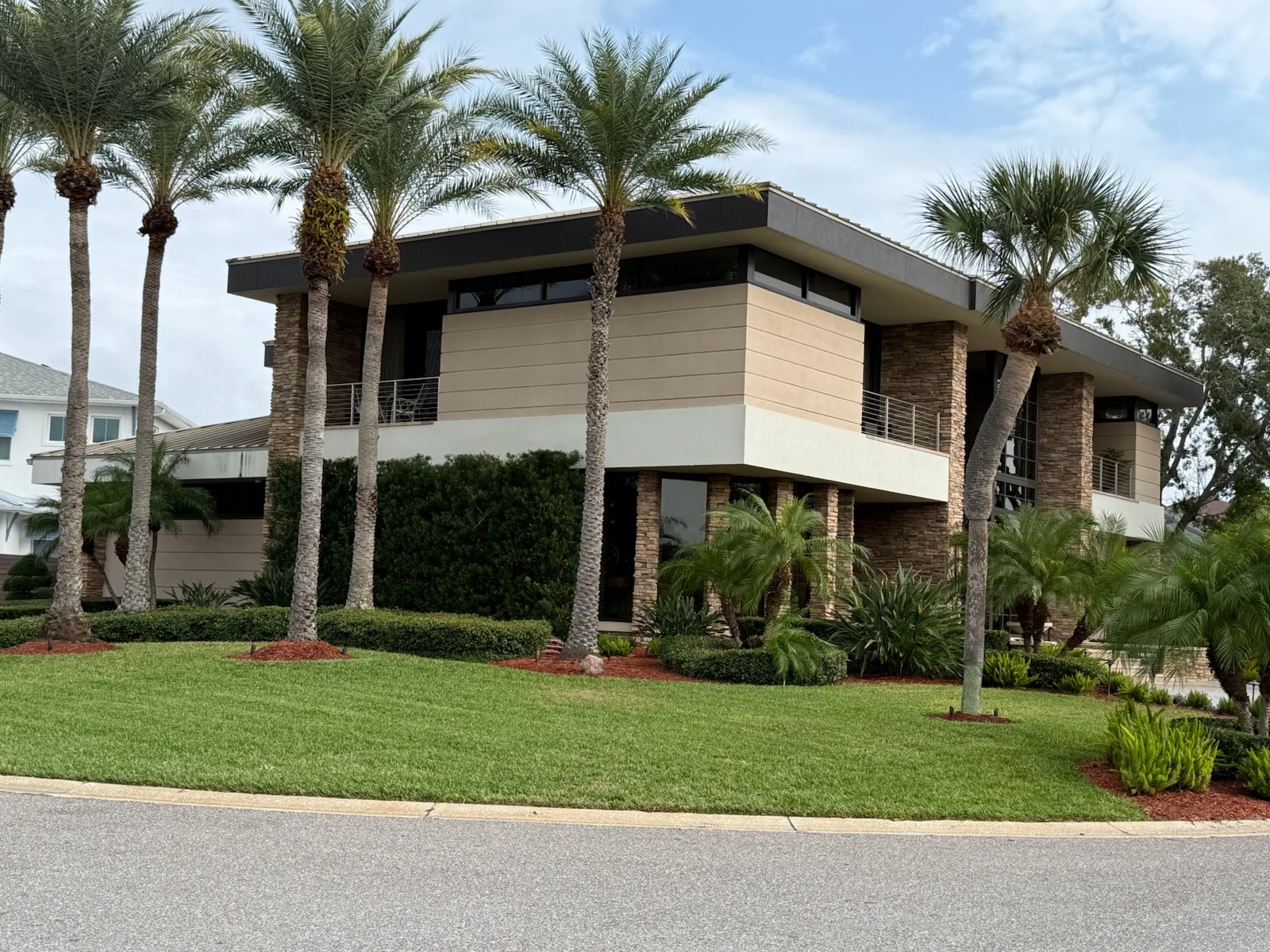
Sprinkler heads are the visible components of your irrigation system, delivering water to your landscape efficiently and uniformly. Our sprinkler head services include installation, repair, replacement, and upgrades that optimize your system’s performance and coverage.
Types of Sprinkler Heads
Different areas of your landscape require different types of irrigation heads for optimal performance:
Spray Heads – Fixed spray pattern heads are ideal for small to medium areas up to 15 feet radius. They provide quick, even coverage for turf and planting beds. Pop-up versions stay hidden when not in use, protecting them from damage and maintaining clean aesthetics. Spray heads work well in tight spaces and areas with irregular shapes where precise coverage patterns are needed.
Modern spray heads feature adjustable arcs, allowing customization from 0 to 360 degrees. Matched precipitation nozzles ensure uniform coverage across different arc settings, preventing overwatering in smaller coverage areas. Pressure-regulating stems maintain consistent performance regardless of system pressure variations.
Rotary Heads – For larger lawn areas beyond spray head range, rotary heads distribute water in rotating streams that reach 15-50 feet. They apply water more slowly than spray heads, allowing better soil absorption and reducing runoff on slopes or heavy soils.
Rotary heads are more efficient for large turf areas, covering more ground with fewer heads. They’re less affected by wind than spray heads and provide excellent uniformity when properly spaced. Modern rotary nozzles combine the efficiency of rotors with the compact size of spray heads, making them versatile options for medium-sized areas.
Drip Emitters – Deliver precise amounts of water directly to plant root zones with minimal evaporation loss. Drip irrigation works excellently in planting beds, around individual shrubs and trees, and in any area where targeted watering is beneficial. Drip systems use significantly less water than spray irrigation while often producing better plant growth.
Emitters come in various flow rates (typically 0.5 to 2 gallons per hour) and can be pressure-compensating to ensure consistent output throughout the system. Inline drip tubing provides continuous coverage along planting rows.
Bubblers – Low-flow devices that flood small areas quickly, ideal for watering individual trees, large shrubs, or basin irrigation. Bubblers apply water directly to the soil surface at high volume, allowing deep watering of established plants.
Head Placement and Spacing
Proper head placement is critical for uniform coverage without waste. We design head layouts using head-to-head coverage principles—each head’s spray should reach to the next head, creating overlapping coverage that eliminates dry spots.
Spacing depends on head type and size. Spray heads typically space 12-18 feet apart depending on model and pressure. Rotary heads might space 25-50 feet apart. Actual spacing must account for wind exposure, slopes, and obstacles that affect distribution.
We position heads to avoid spraying structures, walkways, and driveways while ensuring complete coverage of target areas. Thoughtful placement prevents wasteful overspray while eliminating the brown patches caused by gaps in coverage.
Head Adjustment and Maintenance
Even properly installed heads require periodic adjustment. Plants grow and obstruct spray patterns. Settling can change head positions. Regular maintenance ensures continued performance:
Arc Adjustment – Spray heads can be adjusted to match actual coverage needs, preventing water waste on hardscapes or neighboring properties. We set arcs precisely to cover only intended areas.
Radius Adjustment – Most heads allow some radius adjustment using screws or keys. Proper adjustment optimizes coverage and prevents overlap waste or coverage gaps.
Leveling – Heads should be flush with turf (slightly elevated in beds) for proper operation and to prevent damage from mowing equipment. We check and adjust head heights during service visits.
Cleaning – Filters and nozzles can clog with debris, affecting spray patterns. Regular cleaning maintains proper distribution. Severely clogged heads may require replacement.
Head Repairs and Replacements
Sprinkler heads suffer damage from mowing equipment, vehicles, freezes, and normal wear. Common issues include:
Broken Risers – Impact from mowers or other equipment often breaks the pipe that connects underground lines to spray heads. We excavate and replace damaged risers, ensuring proper depth and alignment.
Leaking Seals – Over time, seals wear and allow water to leak around head bases. This wastes water and creates muddy spots. Seal replacement or head replacement corrects these problems.
Stuck Pop-Ups – Spray heads may fail to retract or extend due to debris or worn springs. Sometimes cleaning fixes this; other times replacement is more economical.
Mismatched Heads – Systems often accumulate various head types over time as repairs are made. Mixing different heads in the same zone causes uneven watering. We recommend replacing mismatched heads with consistent models for uniform precipitation.
When repairing heads, we use quality replacement parts from major manufacturers. Cheap aftermarket heads rarely perform as well as original equipment and often fail prematurely.
Upgrading to More Efficient Heads
Older irrigation systems often benefit from head upgrades that improve performance while reducing water use:
Rotary Nozzles – Replace old spray heads with new rotary nozzles that cover the same areas but apply water more slowly and uniformly. This reduces runoff while cutting water use up to 30%.
Pressure-Regulating Stems – Add these to existing heads to maintain optimal pressure regardless of system variations. Proper pressure prevents misting and improves distribution uniformity.
Check Valves – Prevent low-head drainage that wastes water and creates wet spots. These inexpensive additions can eliminate frustrating drainage problems.
Matched Precipitation Nozzles – Replace old nozzles with modern matched-precipitation designs that apply water at the same rate regardless of arc setting. This ensures even watering across zones.
We evaluate existing systems and recommend cost-effective upgrades that provide noticeable improvements without complete system replacement.
Coverage Testing and Optimization
Proper coverage is invisible when working correctly but obvious when failing. We perform coverage testing that identifies:
Dry Spots – Areas receiving insufficient water due to poor head spacing or alignment problems.
Overspray – Heads watering sidewalks, driveways, or structures wastefully.
Uneven Distribution – Some areas receiving excessive water while others get too little, often caused by mismatched heads or pressure problems.
Wind Effects – Head types or positions that are particularly affected by prevailing winds, requiring adjustment.
After testing, we make adjustments or recommend changes that optimize performance. Sometimes simple head repositioning or nozzle changes dramatically improve coverage without major expense.
Maintain optimal irrigation performance with professional sprinkler head services that ensure uniform coverage while minimizing water waste.